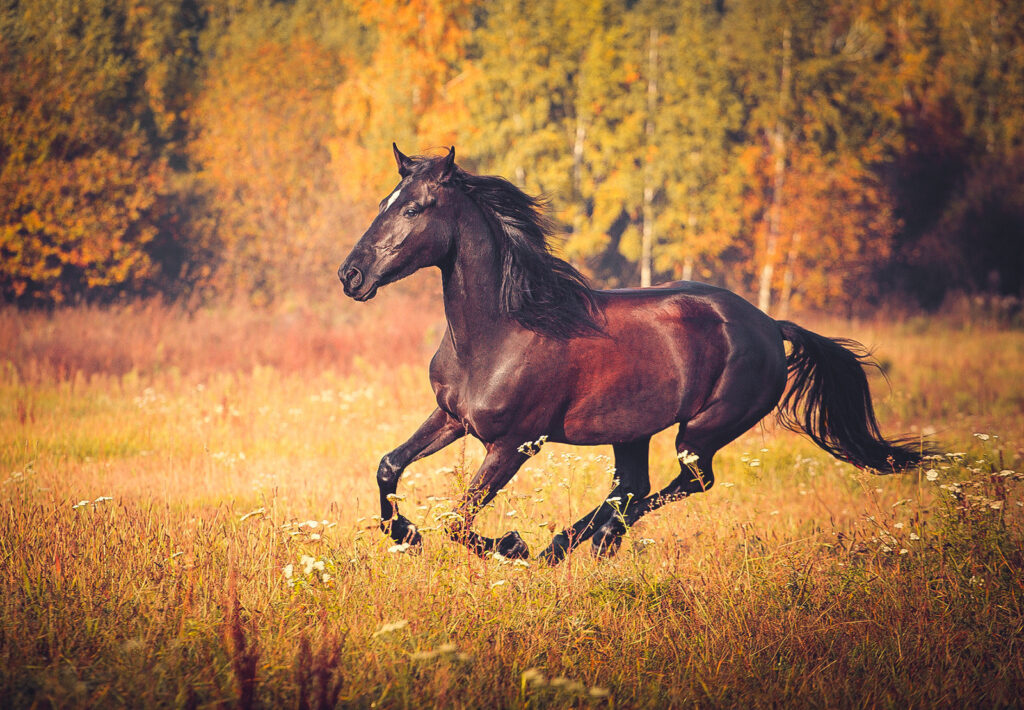
The Art of the Gallop: Capturing the Power and Grace of Horses in Autumn
There is an old Arabic proverb that says, “The essential joy of being with horses is that it brings us in contact with the rare elements of grace, beauty, spirit, and freedom.” Nowhere is that spirit more alive than when watching a magnificent dark horse cut through an open field, its mane catching the wind. When you pair that raw, natural energy with the golden hues of late autumn, you get a scene that looks less like a photograph and more like a classical oil painting.
Whether you are an aspiring wildlife photographer or simply an animal lover, here is a look behind the magic of capturing horses in motion.
The Symphony of Motion
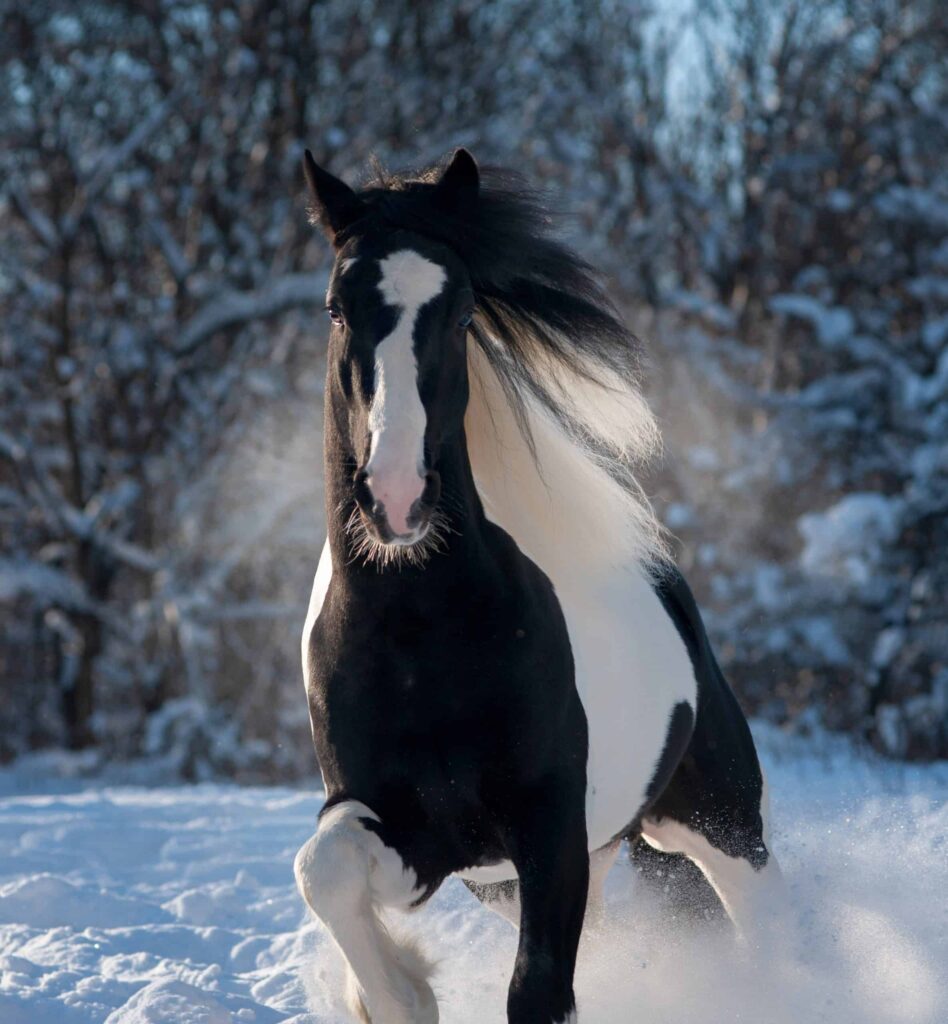
Horses are animals of incredible physical power, and capturing them mid-gallop requires a deep appreciation for their mechanics. In this stunning moment, the horse is caught in a phase of the gallop where its muscles are fully engaged, its front legs are lifting, and its powerful hindquarters are driving it forward.
A few key elements bring this specific shot to life:
- The Mane and Tail: The wind-whipped texture of the flowing mane and extended tail emphasizes the sheer speed and momentum of the animal.
- The Alert Expression: With pricked ears and an focused eye, the horse exhibits a sense of pure, unbridled freedom—running not out of fear, but out of sheer joy.
- The White Blaze: The subtle white stripe down the horse’s face acts as a striking focal point against its deep, rich coat.
Designing with Complementary Colors
What makes this image truly pop is the brilliant use of color theory. The horse possesses a dark coat with rich, warm undertones that glint red and chocolate brown under the sunlight.
By placing this dark silhouette against a background of soft gold, amber, and muted green foliage, the photographer creates a massive amount of depth. The warm autumn field acts as a soft, glowing canvas, ensuring that the sharp details of the horse’s musculature take center stage.
Tips for Capturing Dynamic Equine Photography
If you ever find yourself behind the lens trying to photograph these majestic creatures in an open field, keep these professional tips in mind:
- Use a Fast Shutter Speed: To freeze a horse mid-stride without blurring its hooves or mane, you’ll want a shutter speed of at least 1/1000th of a second or faster.
- Get Down Low: Notice how the perspective of this shot feels grand and powerful? Kneeling down and shooting slightly upward at the horse exaggerates its height and makes the jump or stride look even more heroic.
- Focus on the Eye: Just like in human portraiture, the viewer’s eye naturally goes to the animal’s eye first. Use continuous autofocus (AI Servo/AF-C mode) locked tightly onto the horse’s head to ensure the sharpness lands exactly where it matters most.
- Embrace the Golden Hour: Photographing during the early morning or late afternoon provides that soft, warm backlighting that turns a simple dirt field into a golden wonderland.
Over to You: What is your favorite season for wildlife and animal photography? Do you prefer the crisp whites of winter, or the warm, fiery tones of autumn.
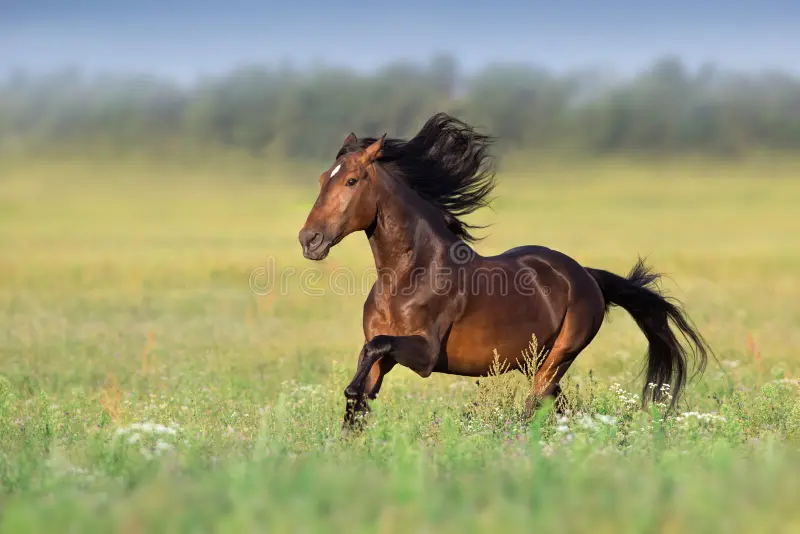
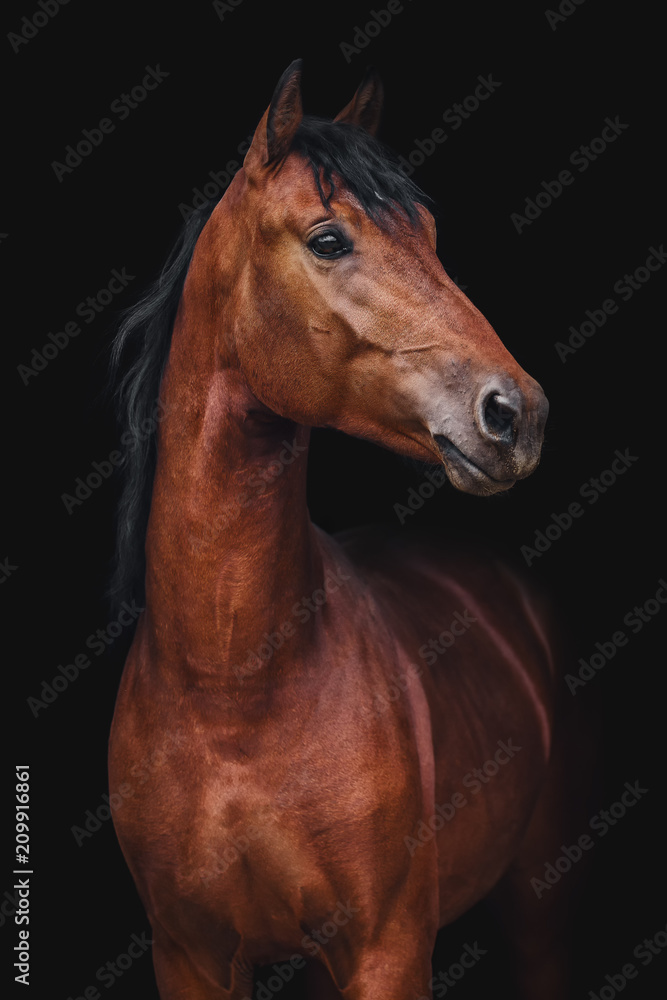
Irish Cob horses
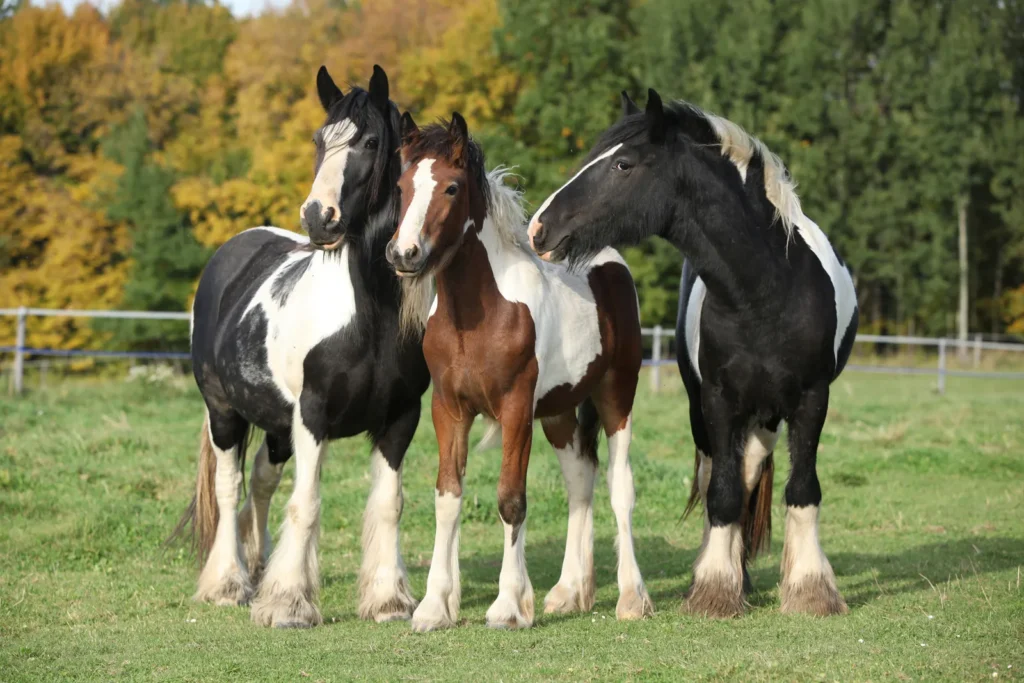
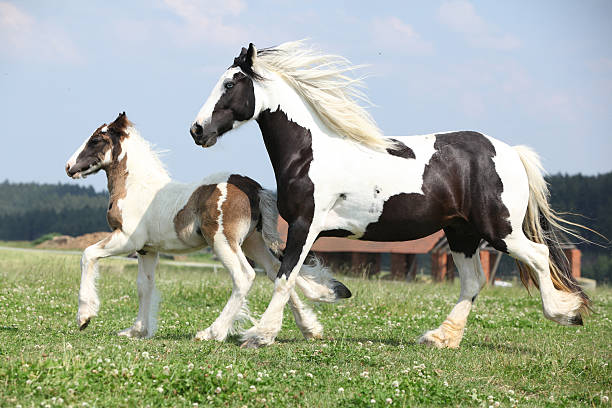
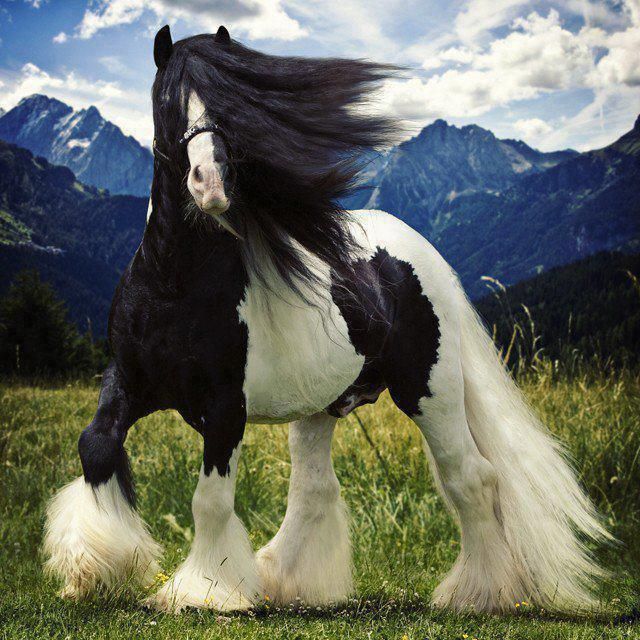
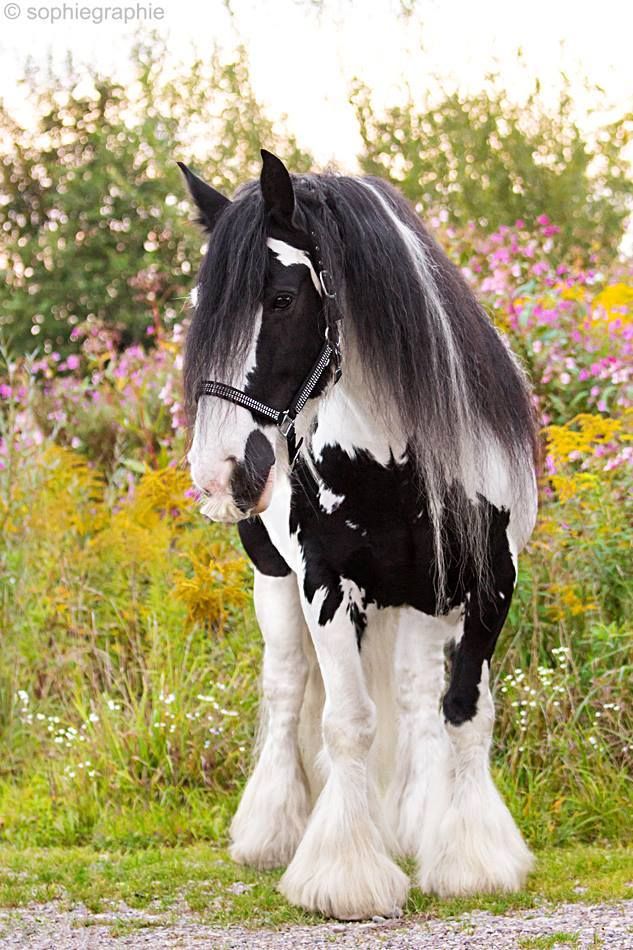
The Irish Cob, also known widely as the Gypsy Vanner, Gypsy Cob, or Tinker, is a distinct and highly recognizable breed of domestic horse. Renowned for its striking, colorful coat, heavy feathering on its legs, and exceptionally docile temperament, it is often described as a “people-sized draft horse.”
Here is a comprehensive overview of the Irish Cob breed, covering its history, physical characteristics, temperament, and modern roles.
1. History and Origins
The Irish Cob was meticulously developed over generations in Great Britain and Ireland, primarily by the Romani and Irish Traveller communities.
- The Vision: The goal was to breed a horse capable of pulling heavy vardoes (traditional living wagons) all day, but gentle enough to be handled safely by children when the family set up camp.
- The Genetic Mix: The breed’s lineage includes strong influences from heavy draft breeds—primarily the Clydesdale and Shire—which provided the size, bone, and feathering. To keep the size manageable and improve hardiness, these drafts were crossed with native British pony breeds, such as the Dales Pony, Fell Pony, and Welsh Cob.
- Recognition: For a long time, the breed was kept through oral tradition and selective breeding without written studbooks. It wasn’t until the late 20th century (specifically 1996) that the breed was officially formalized with registries like the Gypsy Vanner Horse Society and the Irish Cob Society.
2. Physical Characteristics & Conformation
The Irish Cob is built for strength, endurance, and beauty. While they are shorter than traditional draft horses, they possess a massive, muscular build.
The Head and Neck
- A sweet, intelligent expression with large, kind eyes.
- A strong, muscular neck that sits proudly on a deep chest.
Body and Bone
- Compact Frame: They have short, strong backs and a powerful, deep barrel (ribcage).
- Heavy Bone: The legs feature flat, heavy bone structure capable of carrying or pulling significant weight.
- The “Apple Butt”: The hindquarters are broad, heavily muscled, and distinctly rounded.
Hair and “Feather”
- Feathering: One of the breed’s most famous traits is the abundance of long, silky hair starting at the knees and hocks and cascading over the hooves.
- Mane and Tail: They possess extraordinarily thick, long, and often wavy manes and tails.
Size
Irish Cobs generally stand between 13.2 and 15.2 hands high (approx. 54 to 62 inches / 137 to 157 cm at the wither), though registries often categorize them into distinct height classifications (e.g., “Mini,” “Classic,” or “Grand”).
3. Coat Colors and Patterns
While an Irish Cob can come in any color (including solid black, chestnut, or grey), the breed is most famously associated with pinto (patched) coat patterns:
| Pattern Type | Description |
|---|---|
| Piebald | Large, distinct patches of black and white. This is the most iconic and traditional look. |
| Skewbald | Large patches of white combined with any color other than black (such as bay, chestnut, or brown). |
| Blagdon | A solid-colored body with white splashing up from the belly, often accompanied by white stockings and a white chin. |
4. Temperament and Intelligence
The defining characteristic of the Irish Cob is its unmatched disposition. Because they lived intimately alongside nomadic families, a calm, willing, and steady mind was essential.
- Low Flight Reflex: Unlike many horse breeds that spook easily, Irish Cobs are generally unflappable and approach new or frightening situations with curiosity rather than fear.
- People-Oriented: They are famously affectionate and form deep bonds with humans, often behaving more like large dogs.
- Highly Trainable: Their high intelligence and eager-to-please attitude make them very straightforward to train.
5. Modern Uses
Because of their unique combination of a gentle mind and a strong body, Irish Cobs are incredibly versatile and excel in numerous fields today:
- Pleasure and Trail Riding: Their steady nature makes them the ultimate confidence-builders for beginners, nervous riders, or older equestrians.
- Equine-Assisted Therapy: They are a premier choice for therapeutic riding programs worldwide due to their patience and tolerance for unpredictable movements or noises.
- Driving: They remain exceptional driving horses, regularly competing in combined driving events or pulling recreational carriages.
- Showing and Dressage: Their dramatic, high-stepping trot, combined with their flowing hair, makes them stunning competitors in the show ring and in lower-to-mid level dressage.